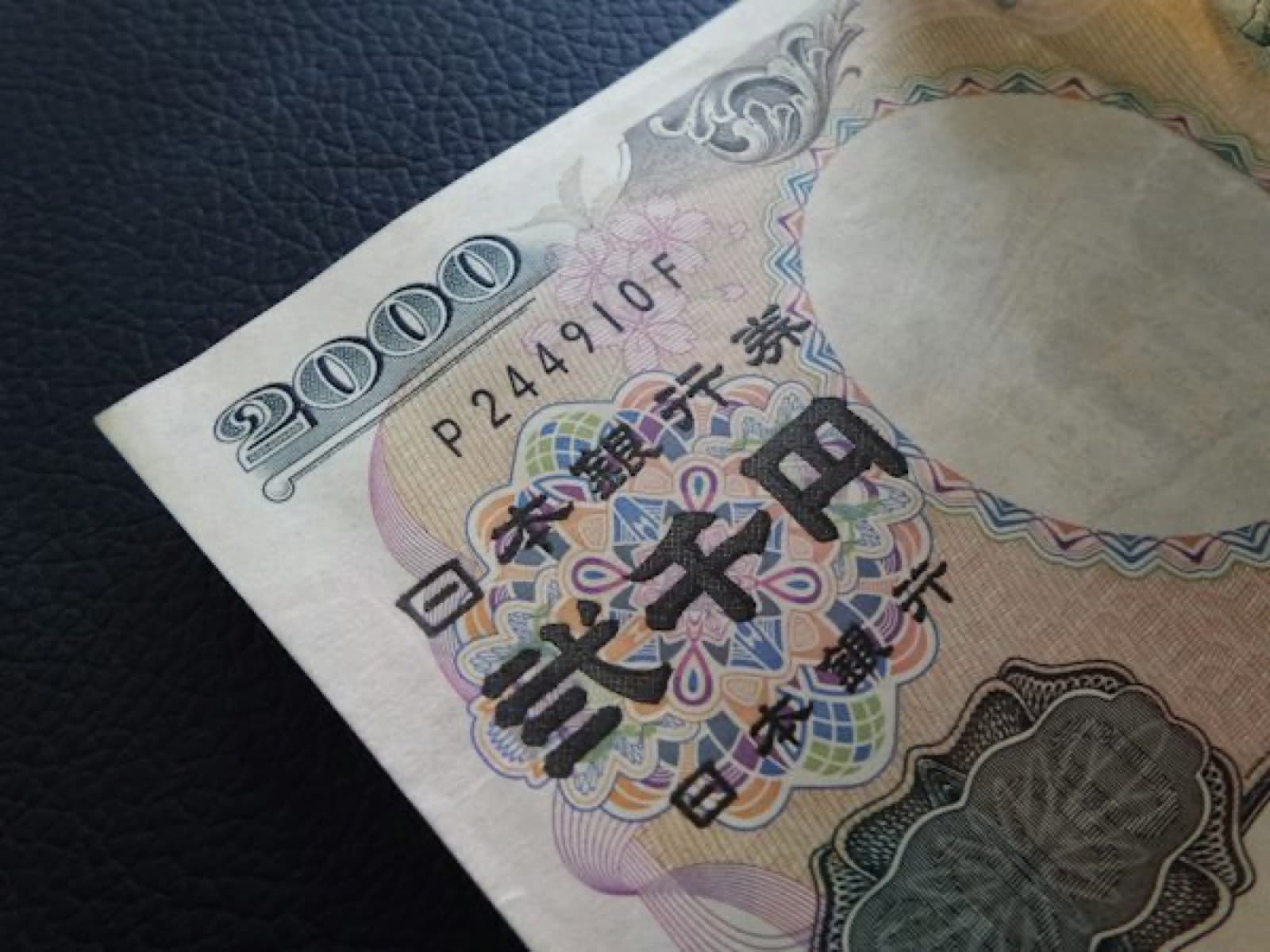
Japan has a reputation for being expensive that's increasingly out of date. A prolonged weak yen has quietly made ground costs — hotels, meals, transport, shopping — roughly 25–30% cheaper for anyone paying in dollars, euros, or pounds than it was a few years ago. Exchange rates move, so treat the figures below as a planning baseline and check the current rate closer to your trip.
What to Budget Separately
Intercity trains
A 7-day JR Pass runs ¥53,000 (since the October 2026 price increase) — only worth it for multi-city trips. Single Shinkansen fares add up fast otherwise.
Learn more →
Japan eSIM
$18–75 depending on data plan and provider — sorted before you land.
Learn more →
Travel insurance
Not required for most tourists, but the real cost of skipping it is the uninsured hospital rate if something goes wrong.
Learn more →
International flights
Highly route-dependent — usually the single largest line item, but fixed regardless of trip length.
Where the Savings Actually Are
Convenience store meals (¥500–800) are genuinely good in Japan, not just a budget compromise — a real way to cut food costs without a worse trip.
Business hotel chains (APA, Toyoko Inn, Dormy Inn) run ¥8,000–15,000/night for a clean private room — the single biggest lever on your daily total.
Many major temples and shrines are free to enter; it's the inner halls or gardens that usually charge ¥300–1,000.
Book accommodation outside cherry blossom (late March–early April) and autumn foliage (mid-Nov) season, when hotel rates jump 30–40% above baseline.
Common Questions
How much does a 10-day trip to Japan cost?
Excluding international flights, a 10-day trip runs roughly ¥90,000–130,000 (~$600–870) traveling budget-style, ¥220,000–320,000 (~$1,500–2,150) mid-range, or ¥650,000+ (~$4,300+) for a luxury trip. Add a JR Pass or individual Shinkansen fares on top if you're visiting multiple cities.
Is Japan expensive to visit in 2026?
Less than most first-time visitors expect. A prolonged weak yen has made ground costs — hotels, food, transport, shopping — roughly 25-30% cheaper for travelers paying in dollars, euros, or pounds than they were a few years ago. Exchange rates do fluctuate, so check the current rate before finalizing a budget.
What isn't included in a daily Japan budget?
International flights, intercity Shinkansen fares or a JR Pass, a Japan eSIM, and travel insurance are all typically budgeted separately from daily spending money, since they're paid once rather than day to day.
What's the single biggest cost in a Japan trip?
For most travelers, it's accommodation, followed by intercity transport if visiting multiple cities. International flights are usually the single largest line item overall, but they're a fixed cost that doesn't scale with trip length the way hotels and food do.